
Most of us associate FB with Facebook, but this abbreviation has many other meanings depending on the context. Whether you're searching for the meaning of FB, its definition, or how it's used in conversations, this article covers everything in a clean and family-friendly way while maintaining clarity and usefulness.
FB Meaning: What Does FB Stand For?
FB is widely recognized as the abbreviation for Facebook, a popular social media platform. However, in internet slang and text conversations, FB can stand for many other things. Some are lighthearted, while others are more adult in nature. Below, we explain all the common and alternative meanings of FB.
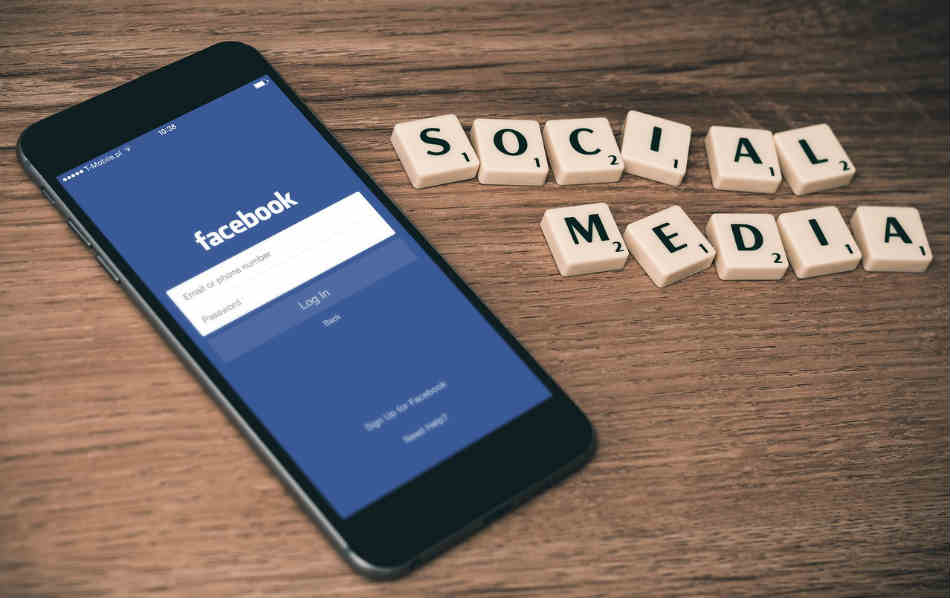
Common and Alternative Meanings of FB
1. Facebook
The most widely used meaning of FB. It refers to the well-known social media site used for connecting with friends, sharing content, and networking.
2. Follow Back
Frequently used on social media platforms like Instagram or TikTok, especially in comments or direct messages. For example: “FB for FB?” means “Follow back if I follow you.”
3. Feedback
Used in professional and personal conversations to request or provide opinions or comments. For example: “Hey, can I get your FB on this new design?”
4. Fictional Boyfriend / Fictional Bestie
Sometimes, FB is humorously used to refer to a fictional partner or best friend created for fun in online content or storytelling.
5. Football
In sports contexts, FB is often shorthand for Football or a Fullback position in American football.
6. Foreign Body (Medical Term)
In medical terminology, FB can refer to a “Foreign Body,” meaning an object that has entered the body and doesn’t belong there.
Inappropriate and Adult Slang Meanings of FB
In online communities and slang dictionaries, FB has also been used to refer to adult terms. However, for a safer and cleaner reading experience, we’ll describe these meanings in appropriate language:
7. Casual Partner
FB is sometimes used as an abbreviation for “casual physical partner” in a non-romantic relationship.
8. Insulting Terms
Occasionally, FB is used negatively to refer to someone in a disrespectful or offensive way. These uses should be avoided as they can be harmful or inappropriate in public discussions.
9. Affectionate Exaggerations
FB may also stand for playful compliments like “Freaking Beautiful” or “Freaking Brilliant” to express admiration or strong appreciation.
How Is FB Used in Conversations?
Here are some clean and practical examples of how FB is used in different contexts:
Example 1
A: I just sent you a friend request on FB.
B: Got it! Accepting now.
Example 2
Friend 1: What’s your FB ID?
Friend 2: It’s [YourUsernameHere].
Example 3
A: I commented on her photo. Hope she FBs!
B: Haha! Let’s see if she follows you back.
Example 4
Student 1: I got full marks in statistics!
Student 2: Wow, that’s FB – Freaking Brilliant!
Example 5
Designer: I’ve uploaded my artwork. Can I get your FB?
Client: Absolutely. I’ll send detailed feedback tonight.
Why Do People Use Abbreviations Like FB?
Slang and abbreviations like FB are popular because they are:
- Quick to type on mobile devices
- Trendy among younger users
- Convenient in fast-paced digital conversations
- Widely understood in specific online communities
They are also used to sound casual, stylish, or to fit within character limits on platforms like Twitter or Instagram.
Final Words on the FB Meaning
Now that you know what FB means—from Facebook and Follow Back to more creative and slang uses—you can better understand how it’s used in daily conversations, both online and offline. Whether you're navigating social media or simply trying to decode a text message, knowing these meanings can make communication much easier.
Discover More Terms and Insights
Want to explore more slang, short forms, or workplace terms? Use our search bar or click [HERE] to explore more word meanings.
Interested in trending online scams, suspicious websites, or digital safety tips? Check out our “Doubtful” and “Potential Scams” categories for expert insights.
Feel free to share this post with friends and colleagues on social media to spread awareness and knowledge.
Thank you for visiting!



Leave a Reply