
One recent case shared by a Reddit user online shows how scammers are using caller ID spoofing to impersonate trusted banks like Wells Fargo and trick customers into believing their money is at risk. And scams are becoming more advanced and harder to detect.
This article explains how this scam works, what happened in the reported case, and how you can protect yourself from similar fraud attempts involving Zelle transfers.
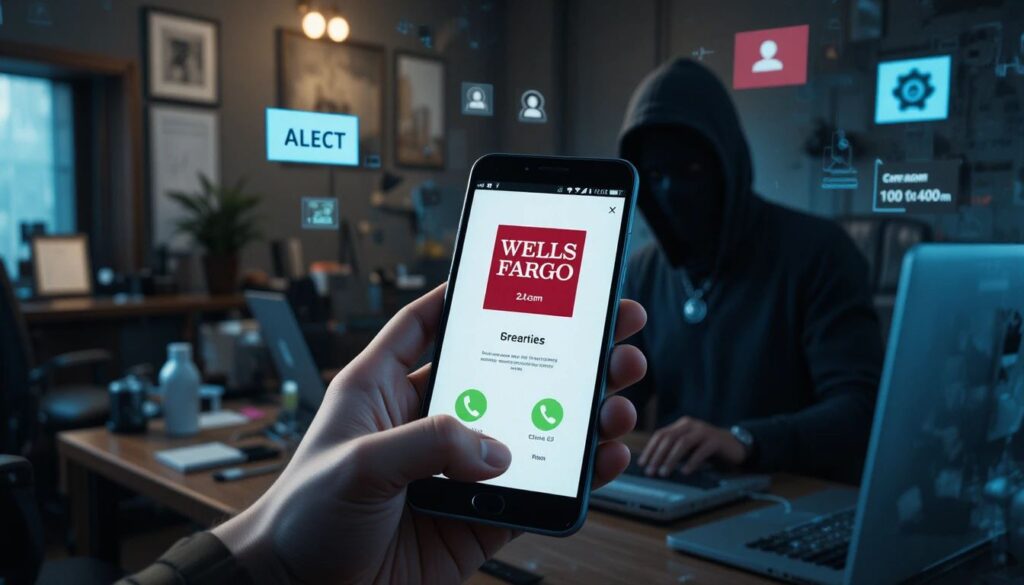
What Happened In This Reported Scam Case:-
Reddit user posted about receiving a phone call that appeared to come from Wells Fargo’s official customer service number. The caller ID looked completely genuine, which immediately made the victim trust the call.
The caller told that:
- The call was recorded for quality assurance.
- Someone was trying to send or withdraw $7,000 via Zelle.
- The victim needed to confirm or file a fraudulent claim.
Most importantly, the scammer did not ask for sensitive details at first. This made the conversation feel even more legitimate. However, the victim became suspicious and decided to call Wells Fargo directly using the official number. The bank confirmed there were no Zelle requests or fraud alerts on the account. This confirmed it was a scam attempt using spoofed caller ID.
How Caller ID Spoofing Makes This Scam Dangerous:-
Caller ID spoofing is a technique where scammers fake the phone number displayed on your screen. They can make it look like:
- A bank’s official hotline.
- A government agency.
- A trusted company.
- Even your local service provider.
In this case, scammers copied Wells Fargo’s fraud department number. This made the victim believe that the call was legitimate, even though it was not. As many people trust caller ID automatically, this technique is extremely effective.
Why This Scam Works So Well:-
This scam is designed using psychological pressure and trust building tactics, such as:
- It creates urgency by mentioning large transactions (like $7,000).
- It uses fear ie. unauthorized Zelle transfer.
- It doesn’t ask for sensitive information at the beginning.
- It pretends to be helpful instead of aggressive.
- It offers to assist with fraud claims.
By the time the victim realizes something is wrong, they may already have shared personal or banking information.
Key Warning Signs You Should Never Ignore:-
Even if the call looks real, there are warning signs that indicate fraud.
Scam vs Real Bank Call Comparison:-
| Feature | Genuine Bank Call | Scam Call (Spoofed) |
|---|---|---|
| Caller ID | May vary, not always consistent. | Often spoofed to look official. |
| Tone | Professional but neutral. | Urgent and fear based. |
| Request | Usually asks to verify identity safely. | Pushes quick action or claims fraud. |
| Zelle Alerts | Only confirmed in app or official login. | Announced over phone first. |
| Callback Option | Directs you to official number. | May discourage hanging up. |
What Banks Like Wells Fargo Actually Do:-
Banks such as Wells Fargo have strict fraud policies. According to general banking security practices:
- They do not ask for full login details over the phone.
- They do not pressure customers into immediate transactions.
- They do not require you to confirm Zelle payments during unexpected calls.
- They always recommend calling back through official numbers.
In real situations, fraud alerts are usually visible inside your banking app or online account first but not through unexpected phone calls.
How Scammers Use Zelle In These Attacks:-
Apps like Zelle are popular because transactions are instant and often irreversible. Scammers take advantage of this by:
- Claiming a fake Zelle transfer is pending.
- Asking users to reverse or stop the transaction.
- Trying to get login or verification codes.
- Redirecting victims to fake support lines.
Once a victim sends money through Zelle, it is often very difficult to recover.
How To Protect Yourself From This Scam:-
Here are simple but effective safety steps:
- Always hang up and call your bank using the official number from their website.
- Never trust caller ID alone.
- Check your bank app directly for alerts.
- Do not share OTPs, passwords, or verification codes.
- If something feels urgent or emotional, treat it as suspicious.
- Report suspicious calls to your bank immediately.
Final Thoughts:-
This case shows how advanced phone scams have become. By using caller ID spoofing, scammers can appear as trusted institutions like Wells Fargo and create convincing fraud stories involving Zelle transfers.
The most important lesson is simple and that is never trust a call just because it looks official. Always verify independently. If you stay calm and double check through official channels, you can easily avoid falling into these highly convincing banking scams.

De Roka (Suman Roka) is an online scam researcher and consumer protection advocate who has been investigating internet fraud since 2014. He is the founder of De-Reviews.com and former owner of NewsOnlineIncome.com, and works as an Anti-Scam Consultant with the Global Anti-Scam Alliance (GASA.org) and as a content partner with ScamAdviser.
His work focuses on exposing online scams and helping users stay safe from fraudulent websites and schemes. After personally experiencing online scams, he began researching suspicious platforms and sharing findings to protect others.
Today, De-Reviews.com operates as a team of researchers and editors dedicated to identifying scam patterns and educating the public about online threats. Learn more about the team and mission on our About Us page.


Leave a Reply