
Recently, a video went viral showing the U.S. men’s Olympic hockey team at the White House. The players were seated at a long table, enjoying burgers, and social media quickly erupted with claims that the burgers were from McDonald’s. Screenshots and clips were shared thousands of times, with people expressing surprise, amusement, and sometimes criticism. The video looked convincing, and the claim spread fast, making many believe it was true.
At first glance, the story seems simple ie. Olympic champions, White House celebration, and fast food. But as with many viral posts, the reality is more subtle than it appears. Understanding what actually happened requires looking carefully at the evidence and the context behind the video.
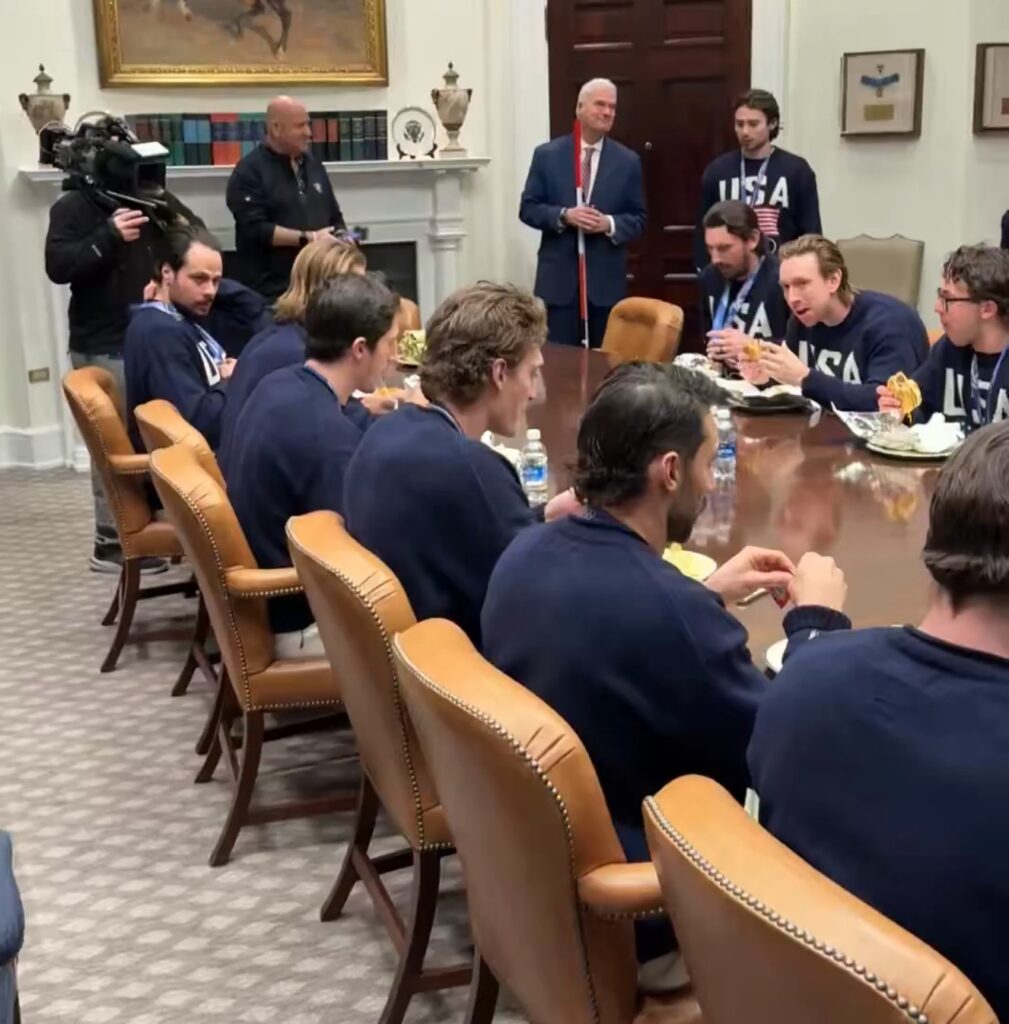
Picture Credit: X Account - @scarlett4kids and then link this with "X Account - @scarlett4kids"
Why the Video Went Viral:
Several factors explain why so many people believed the McDonald’s claim, such as:
Appearance Matters:
The burgers in the video looked like typical fast food items. Many viewers assumed that if it looked familiar, it must be McDonald’s. This is a classic example of jumping to conclusions based on appearances alone.
Expectations and Assumptions:
Many people quickly believed the claim because they already connect President Trump with fast food from past events and public discussions. Because of this, when viewers saw burgers being served in the video, they immediately assumed they were from McDonald’s. These kinds of assumptions can make a story seem believable even when there is no real evidence to support it.
Speed of Social Media:
Viral content spreads faster than verification processes. By the time fact-checkers investigated, thousands of people had already shared the claim, forming opinions based on incomplete information.
This combination of visual cues, prior expectations, and social media dynamics demonstrates how quickly misinformation can spread, even when the underlying story is more ordinary than it seems.
Fact-Checking the Claim:
Fact-checking experts, including Snopes, investigated the viral video to separate truth from assumption. They confirmed that the U.S. men’s Olympic hockey team did visit the White House and were seen eating burgers. However, the claim that the burgers came from McDonald’s is not confirmed.
A player from the team clarified that the burgers were specially prepared for the event and not from a fast food chain. They were designed to look appealing and fit the occasion, but they were not purchased from McDonald’s. This small but important distinction shows how a visual similarity can lead to a false assumption.
Even though the video itself was real, the widely circulated idea that it featured McDonald’s was misleading. This case highlights the need for careful fact-checking, particularly when content spreads rapidly online.
Why We Should Question Extraordinary Claims:
This viral story also offers a broader lesson about online information. Humans are naturally drawn to content that surprises or fits familiar narratives. Stories that seem “too good to be true” or “out of this world” can feel believable, even when they are not.
- Visual Deception: Videos and images may appear convincing, but they do not tell the full story. Factors like angles, lighting, and context can create impressions that are misleading.
- Confirmation Bias: People often accept information that aligns with what they already believe. In this case, the idea of McDonald’s at the White House fit preconceived notions about Trump and fast food.
- Viral Speed: Social media encourages sharing before verification. A claim may go viral before experts can investigate, which can make misinformation seem credible by sheer repetition.
Understanding these patterns helps people become more cautious about what they believe online. Just because a story looks plausible or entertaining does not mean it is true.
Key Takeaways:
- Appearances Can Be Misleading: The burgers looked like McDonald’s, but they were specially prepared for the event.
- Verify Before Believing: Fact-checking organizations confirm or deny viral claims using direct sources and evidence. Checking these sources can prevent spreading misinformation.
- Question the “Too Good to Be True”: Extraordinary claims, especially those that seem sensational or fit a particular narrative, require careful scrutiny.
- Critical Thinking Matters: Social media encourages quick reactions. Pausing, analyzing, and seeking verified information helps avoid being misled.
Conclusion:
The viral video of the U.S. men’s Olympic hockey team eating burgers at the White House demonstrates how quickly misinformation can spread. The footage itself was real, but the widely shared claim that the burgers came from McDonald’s doesn’t seem to be true. The burgers were specially prepared for the occasion, and the assumption about fast food came from appearances and preexisting expectations.
This incident serves as a reminder to approach online content critically. Extraordinary looking stories, even if visually convincing, should be verified before accepting or sharing them. By questioning assumptions, checking reliable sources, and understanding the nature of viral content, we can enjoy social media responsibly and avoid falling for misleading claims.



Leave a Reply