
Have you received a text message claiming your package delivery failed because of an incorrect ZIP code, missing address, or unsuccessful delivery attempt? If yes, you are not alone. A growing number of people are receiving fake Delivery Attempt Unsuccessful text messages designed to steal personal and financial information.
These scam messages usually pretend to come from trusted delivery companies like USPS, FedEx, or DHL. The goal is simple and that is to trick victims into clicking a malicious link.
According to recent scam alerts, these phishing attacks have increased significantly because online shopping and home deliveries have become part of everyday life.
How The Scam Usually Works:-
The scam often starts with a text message that says something like:
“Delivery attempt unsuccessful. Your package could not be delivered due to an invalid ZIP code. Please update your address here.”
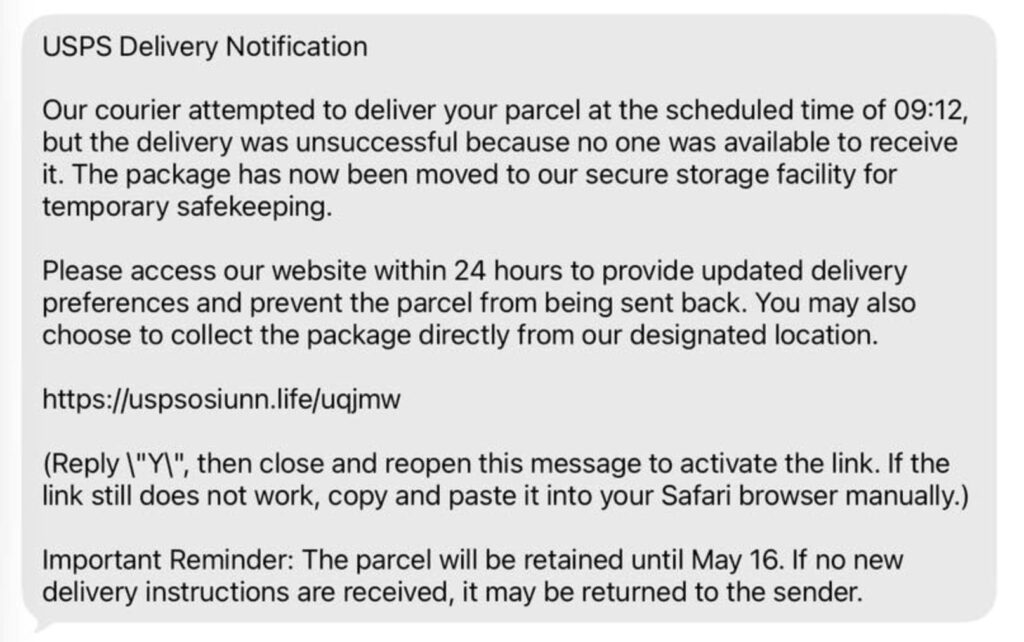
The message creates urgency by warning that the package may be returned to the sender unless immediate action is taken.
Once the victim clicks the link, they are taken to a fake website that looks almost identical to a real courier service page. The site may ask for:
- Full name;
- Home address;
- Phone number;
- Credit or debit card details;
- Small re-delivery fee payment;
- One-time passwords (OTP).
Scammers then use the collected information for fraud, identity theft, or unauthorized transactions.
Why So Many People Fall For It:-
This scam works because it targets normal human behavior. Many people are regularly expecting parcels from online stores, so a delivery related message does not immediately seem suspicious.
Cyber criminals also use psychological pressure. They want people to react quickly before thinking carefully. Messages often include phrases like:
- Immediate action required.
- Your package will be returned.
- Final delivery attempt.
- Pay now to reschedule.
Security researchers have found that scammers increasingly use realistic-looking websites, spoofed sender IDs, and even real time data stealing techniques to make these scams more convincing.
Common Red Flags To Watch For:-
Here are some warning signs that the text message may be fake:
Unexpected Delivery Notification:-
If you are not waiting for a package, be suspicious immediately.
Strange Website Links:-
Fake links often contain unusual domains, random letters, or misspelled company names.
Example:
- usp-delivery-help.com
- fedx-track-now.net
instead of official websites.
Requests for Small Fees:-
Legitimate delivery companies rarely ask for unexpected re-delivery payments through random text links.
Generic Greetings:-
Scam texts usually say:
- Dear Customer
- Hello User
instead of using your actual name.
Pressure and Urgency
Scammers want victims to panic and act fast without verifying the message.
A Simple Example Of The Scam:-
Imagine this situation:
You recently ordered shoes online. A day later, you receive a text saying:
“Delivery failed due to incomplete address. Update now to avoid return.”
Because you are expecting a package, the message feels believable. You click the link, enter your address and card details to pay a small $0.30 re-delivery fee.
A few hours later, unauthorized charges begin appearing on your bank account.
This is exactly how many victims get trapped.
What You Should Do Instead:-
If you receive a suspicious delivery text message, take these precautions immediately:
- Do not click on any links included in the message, even if the text looks official or urgent. Scammers often use fake websites to steal your information.
- Never enter personal details such as your full name, address, passwords, banking information, or credit card numbers on websites opened through unexpected text messages.
- Delete the message immediately after recognizing it as suspicious to avoid accidentally clicking the link later.
- Instead of using the link provided in the text, open your browser and manually type the official courier company’s website address yourself.
- Use your genuine tracking number from the original seller or shipping confirmation email to check the real delivery status of your package.
- If you already entered payment or banking details on the suspicious website, contact your bank or card provider immediately to report possible fraud and secure your account.
Cybersecurity experts strongly advise users to avoid clicking links sent through unexpected delivery text messages. Manually visiting the official courier company’s website is one of the safest ways to verify whether a delivery problem is real or fake.
What If You Already Clicked the Link?
If you already clicked the link or interacted with the fake delivery website, do not panic, but act quickly. Taking immediate steps can help reduce the risk of financial loss or identity theft.
1. Change Your Passwords Immediately:-
If you entered any login credentials on the suspicious website, change those passwords right away. Start with important accounts such as:
- Email accounts;
- Online banking;
- Shopping websites;
- Payment apps.
Use strong and unique passwords that you have not used before.
2. Contact Your Bank or Card Provider:-
If you entered debit card, credit card, or banking details, contact your bank immediately. Explain that you may have submitted your information to a phishing scam website. Your bank may:
- Block or freeze your card.
- Monitor suspicious transactions.
- Issue a replacement card.
- Help prevent unauthorized charges.
The faster you report it, the better your chances of avoiding financial damage.
3. Monitor Your Accounts Carefully:-
Keep checking your:
- Bank accounts;
- Credit card statements;
- Payment apps;
- Email accounts.
Look for unfamiliar transactions, login alerts, password reset emails, or other suspicious activity.
4. Enable Two-Factor Authentication (2FA):-
Turn on two-factor authentication for your important accounts whenever possible. This adds an extra layer of security by requiring a verification code in addition to your password.
Even if scammers obtain your password, 2FA can help stop them from accessing your account.
5. Run a Security Scan on Your Device:-
Some scam links may try to install malicious software on your phone or computer. Run a full security or antivirus scan on your device to check for harmful files or suspicious apps.
If needed, remove unknown applications or reset your device settings after backing up important data.
Quick action can significantly reduce the damage caused by phishing scams and help protect your personal and financial information.
Final Thoughts:-
The Delivery Attempt Unsuccessful text message scam is another reminder that cyber criminals constantly adapt their tricks to everyday situations. Since millions of people shop online regularly, fake delivery alerts have become one of the most effective phishing methods today.
Always remember that real courier companies do not pressure customers into urgent payments through suspicious text links. Taking a few extra seconds to verify a message can save you from financial loss and identity theft.

De Roka (Suman Roka) is an online scam researcher and consumer protection advocate who has been investigating internet fraud since 2014. He is the founder of De-Reviews.com and former owner of NewsOnlineIncome.com, and works as an Anti-Scam Consultant with the Global Anti-Scam Alliance (GASA.org) and as a content partner with ScamAdviser.
His work focuses on exposing online scams and helping users stay safe from fraudulent websites and schemes. After personally experiencing online scams, he began researching suspicious platforms and sharing findings to protect others.
Today, De-Reviews.com operates as a team of researchers and editors dedicated to identifying scam patterns and educating the public about online threats. Learn more about the team and mission on our About Us page.


Leave a Reply