
The internet is filled with websites claiming they can secretly access another person's phone data. Websites such as CloudTroid have become part of a growing trend of fake phone spying platforms that use misleading promises to attract visitors. These so called phone spy tools often promise the ability to read text messages, view photos, track locations, monitor social media accounts, or even listen to private conversations.
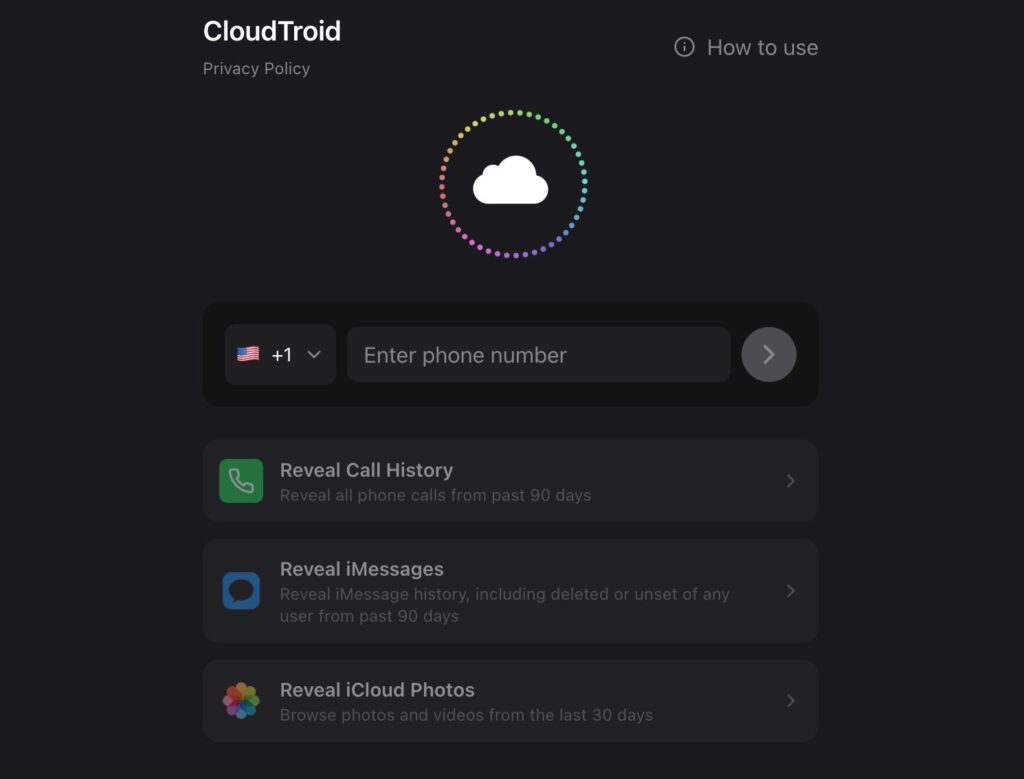
While these claims may sound tempting to some users, the reality is that many of these services are nothing more than scams. However, CloudTroid is far from the only example. New versions of these scams appear regularly under different names, targeting people who are curious about monitoring someone's phone activity.
If you have encountered similar phone spy websites, feel free to share their names in the comments section below. Your experience may help others avoid becoming victims of these deceptive schemes.
The Growing Industry Of Fake Phone Spy Websites:-
Over the past few years, countless websites have appeared online claiming they can provide access to another person's smartphone. Some advertise themselves as:
- Phone hackers.
- Mobile tracking tools.
- SMS monitoring platforms.
- WhatsApp spy apps.
- Instagram spying tools.
- Snapchat monitoring services.
- Location tracking systems.
Although the names change, the business model remains almost identical. These websites often use professional looking designs, impressive graphics, and fake testimonials to convince visitors that their services are legitimate.
Some even display fabricated screenshots showing private messages, photos, and call logs supposedly obtained from target devices. In reality, most of these platforms never provide any genuine access to phone data.
Common Examples Of Phone Spy Tool Scams:-
CloudTroid is one example that follows this pattern, but many similar scams have surfaced over the years.
Users have reported concerns regarding various websites that claim they can:
- Spy on WhatsApp accounts.
- Read Instagram direct messages.
- Monitor Snapchat activity.
- Track any phone number worldwide.
- Access deleted messages.
- Hack mobile devices remotely.
Some examples include fake tools marketed as Instagram spy services, WhatsApp trackers, Snapchat viewers, mobile hacker generators, and online phone monitoring dashboards.
These websites frequently disappear and reappear under new names once negative reviews begin to spread.
How These Scams Usually Operate:-
The process is surprisingly similar across most fake spy tool websites. First, users are asked to enter a target phone number, username, or social media profile.
The website then launches what appears to be a sophisticated scanning process. Progress bars move across the screen while messages claim that data is being retrieved from the target device.
This stage is purely psychological. The animations are generally pre-programmed and are not connected to any real hacking or monitoring activity.
Once the fake scan reaches completion, the website claims to have found messages, photos, call logs, or other sensitive information.
However, there is a catch. Before users can supposedly access the results, they are instructed to:
- Pay a fee.
- Complete surveys.
- Download applications.
- Sign up for subscriptions.
- Provide personal information.
After doing so, users typically receive nothing that was promised.
Why These Claims Are Unrealistic:-
One of the biggest warning signs is the promise of instant access to private phone information.
Legitimate monitoring software generally requires authorization, installation, and consent within legal boundaries. Genuine applications cannot simply access any smartphone in the world through a website after entering a phone number.
Scammers rely on the fact that many users are unfamiliar with how mobile security actually works. As a result, they create unrealistic promises designed to generate clicks and payments.
Additional Risks Beyond Financial Loss:-
Many people assume the worst outcome is losing money. Unfortunately, these websites can create other problems as well.
Potential risks include:
- Identity theft.
- Malware infections.
- Unwanted subscriptions.
- Credit card fraud.
- Spam campaigns.
- Data harvesting.
Some fake spy tool websites may collect personal details that can later be used for marketing scams or other fraudulent activities.
Red Flags That Should Not Be Ignored:-
When evaluating any phone monitoring service, watch for these warning signs:
- Claims of hacking any phone instantly.
- No proof of actual functionality.
- Anonymous ownership details.
- Fake testimonials.
- Requests for payment before results.
- Survey completion requirements.
- Unrealistic guarantees.
- Poor transparency regarding how the service works.
The more of these warning signs a website displays, the greater the risk that it may be operating deceptively.
Why These Scams Continue To Succeed:-
Phone spy tool scams exploit curiosity, suspicion, and sometimes jealousy. Whether someone wants to monitor a partner, friend, family member, or online contact, scammers know there will always be people searching for shortcuts.
Instead of providing the impossible service they advertise, these operators focus on generating revenue through payments, affiliate offers, subscriptions, and personal data collection.
Final Verdict:-
Fake phone spy tools have become one of the internet's most persistent scam categories. Websites like CloudTroid are only a small part of a much larger network of deceptive platforms that promise access to private phone data they cannot actually provide.
Their tactics may vary slightly, but the goal is usually the same i.e. collect money, gather personal information, or push users into completing offers while delivering little or nothing in return.
The safest approach is to avoid any website that claims it can instantly hack, track, or spy on another person's smartphone. If a service promises access to private information with just a phone number or username, there is a strong chance you are looking at a scam.
Have you come across websites similar to CloudTroid or other fake phone spy tools? Leave a comment below and share the name of the website. Your report may help warn others before they fall for the same trap.

De Roka (Suman Roka) is an online scam researcher and consumer protection advocate who has been investigating internet fraud since 2014. He is the founder of De-Reviews.com and former owner of NewsOnlineIncome.com, and works as an Anti-Scam Consultant with the Global Anti-Scam Alliance (GASA.org) and as a content partner with ScamAdviser.
His work focuses on exposing online scams and helping users stay safe from fraudulent websites and schemes. After personally experiencing online scams, he began researching suspicious platforms and sharing findings to protect others.
Today, De-Reviews.com operates as a team of researchers and editors dedicated to identifying scam patterns and educating the public about online threats. Learn more about the team and mission on our About Us page.


Leave a Reply